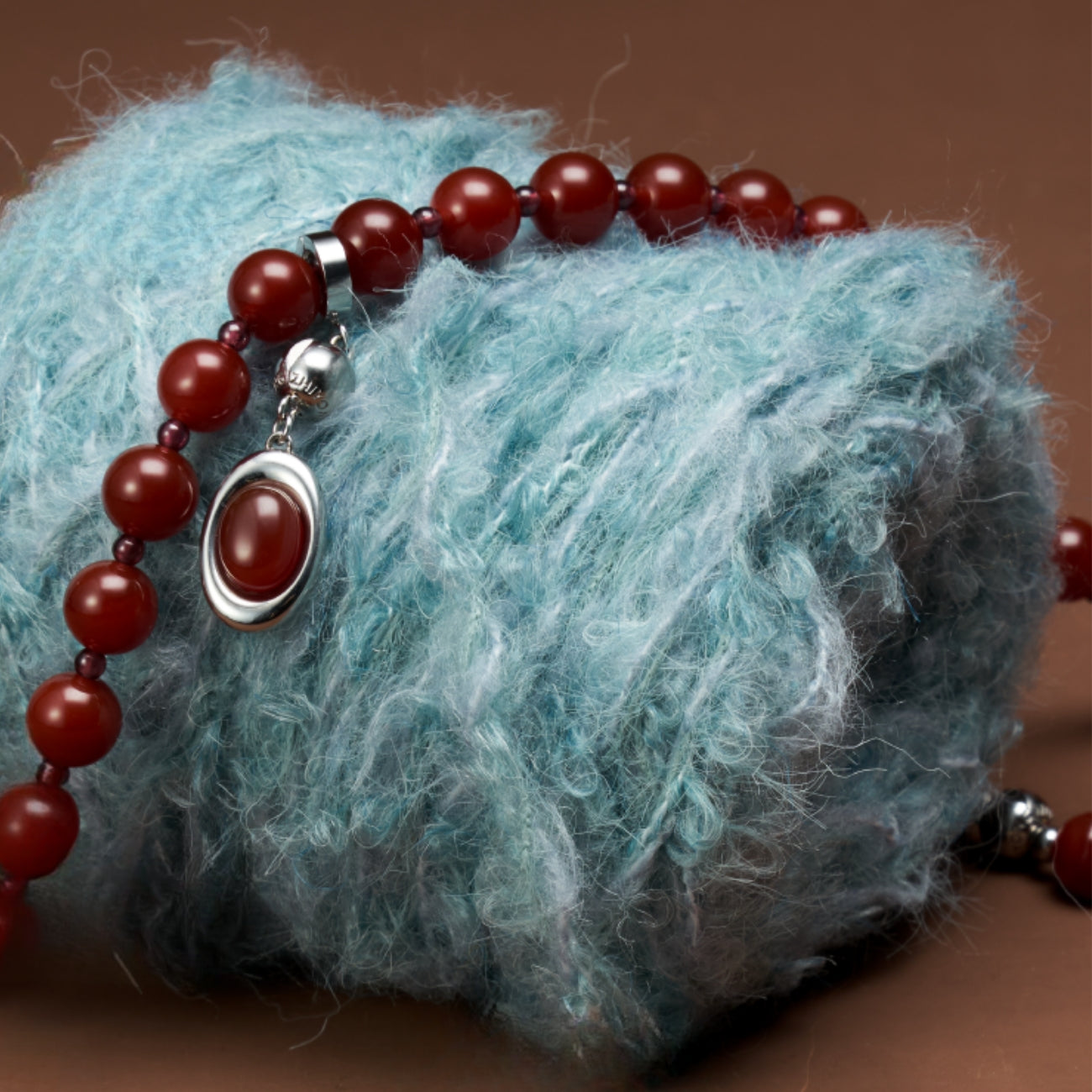

Crystal Therapy Techniques A Complete Guide to Healing, Balance, and Alignment
Crystal therapy techniques have been practiced for thousands of years across cultures as a way to support emotional balance, spiritual awareness, and energetic well-being. Today, crystal therapy techniques are experiencing renewed popularity as people seek natural and holistic approaches to managing stress, improving focus, and reconnecting with their inner selves.

In this comprehensive guide, we explore crystal therapy techniques in depth, from their historical origins to modern applications. You will learn how crystal therapy techniques work, how to choose the right crystals, and how to integrate them into daily life using meditation, chakra alignment, and wearable energy tools such as Soullinks. Whether you are new to crystal therapy or looking to deepen your practice, this article provides practical insights grounded in tradition and modern wellness thinking.
Table of Contents
- The Origins of Crystal Therapy
- How Crystal Therapy Techniques Work
- Core Crystal Therapy Techniques
- Crystal Therapy Techniques for Chakra Alignment
- Applying Crystal Therapy Techniques in Daily Life
- Wearable Crystal Therapy and Soullinks
- Crystal Therapy Techniques Summary Table
- Frequently Asked Questions
- References
The Origins of Crystal Therapy
The roots of crystal therapy techniques stretch back to ancient civilizations. Archaeological evidence shows that crystals were used in healing rituals in ancient Egypt, China, India, Greece, and among Indigenous cultures worldwide. These civilizations believed that crystals carried life force energy capable of influencing the body and mind.
In ancient India, crystal therapy techniques were closely linked to the chakra system, a framework describing energy centers within the body. In traditional Chinese practices, crystals were associated with balancing yin and yang energies. Ancient Egyptians adorned themselves with lapis lazuli, carnelian, and turquoise for protection and vitality.
While modern science approaches crystals differently, contemporary crystal therapy techniques draw inspiration from these ancient traditions while adapting them to modern lifestyles and wellness practices.
How Crystal Therapy Techniques Work
Crystal therapy techniques are based on the belief that everything in the universe vibrates at a specific frequency, including the human body. Crystals are thought to have stable and consistent vibrational patterns that can interact with the body’s energy field.
When applied intentionally, crystal therapy techniques aim to bring areas of imbalance back into harmony. This is not about replacing medical treatment, but about supporting emotional clarity, mindfulness, and energetic awareness.
Many people who practice crystal therapy techniques report improved relaxation, heightened self-awareness, and a stronger sense of emotional grounding. These effects are often linked to mindfulness, intention setting, and the symbolic meaning of the crystals themselves.
Core Crystal Therapy Techniques
There are many crystal therapy techniques, ranging from simple practices to more structured rituals. Below are some of the most widely used and effective methods.
Meditation with Crystals
Meditation is one of the most accessible crystal therapy techniques. By holding or placing a crystal nearby during meditation, practitioners focus their intention on a specific goal, such as calm, clarity, or self-love.
For example, holding amethyst during meditation is often associated with mental clarity and relaxation, while rose quartz supports emotional openness. The effectiveness of this crystal therapy technique lies in combining focused awareness with symbolic meaning.
Crystal Placement and Body Layouts
Another popular approach among crystal therapy techniques is placing stones on specific parts of the body. This practice is often used during relaxation sessions or guided healing work.
Crystals may be placed along the spine, over the heart, or near the head depending on the desired outcome. This technique encourages stillness, deep breathing, and introspection.
Crystal Grids
Crystal grids are structured arrangements of stones laid out in geometric patterns. Among advanced crystal therapy techniques, grids are used to amplify intention and maintain focus over time.
A crystal grid might be placed in a living space, meditation area, or workspace to support goals such as protection, creativity, or grounding.
Crystal Therapy Techniques for Chakra Alignment
One of the most common applications of crystal therapy techniques involves chakra alignment. Each chakra is associated with specific physical, emotional, and spiritual themes, as well as corresponding crystals.
Root Chakra Techniques
Root chakra crystal therapy techniques focus on grounding, stability, and safety. Stones like red jasper, hematite, and black tourmaline are commonly used to support this energy center.
Heart Chakra Techniques
Heart chakra crystal therapy techniques emphasize compassion, love, and emotional balance. Rose quartz and green aventurine are frequently chosen for these practices.
Crown Chakra Techniques
Crown chakra crystal therapy techniques aim to enhance spiritual awareness and connection. Clear quartz and amethyst are often associated with higher consciousness and insight.
When practiced regularly, chakra-focused crystal therapy techniques can help individuals become more aware of emotional patterns and energetic shifts.
Applying Crystal Therapy Techniques in Daily Life
Crystal therapy techniques do not need to be limited to formal sessions. Many people integrate these practices seamlessly into their daily routines.
Crystals in the Home
Placing crystals in living spaces is a subtle way to incorporate crystal therapy techniques. For example, calming stones in the bedroom can support rest, while grounding stones near entryways can encourage stability.
Crystals at Work
In professional settings, crystal therapy techniques can be used discreetly. Small stones on a desk or in a pocket can serve as reminders to stay focused and centered.
Intentional Morning and Evening Rituals
Simple rituals, such as holding a crystal while setting intentions in the morning or reflecting in the evening, help anchor crystal therapy techniques into everyday life.
Wearable Crystal Therapy and Soullinks
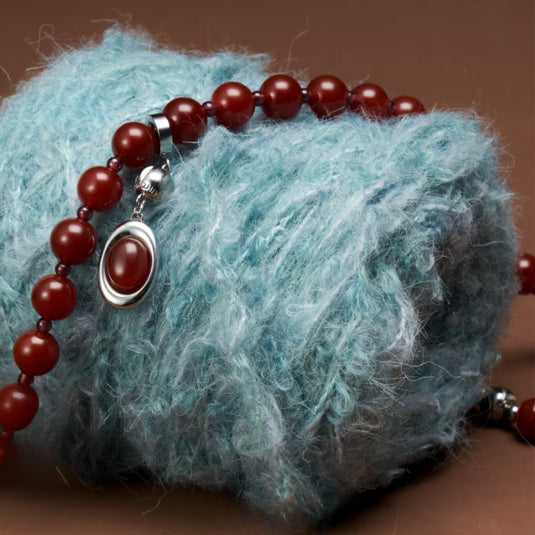
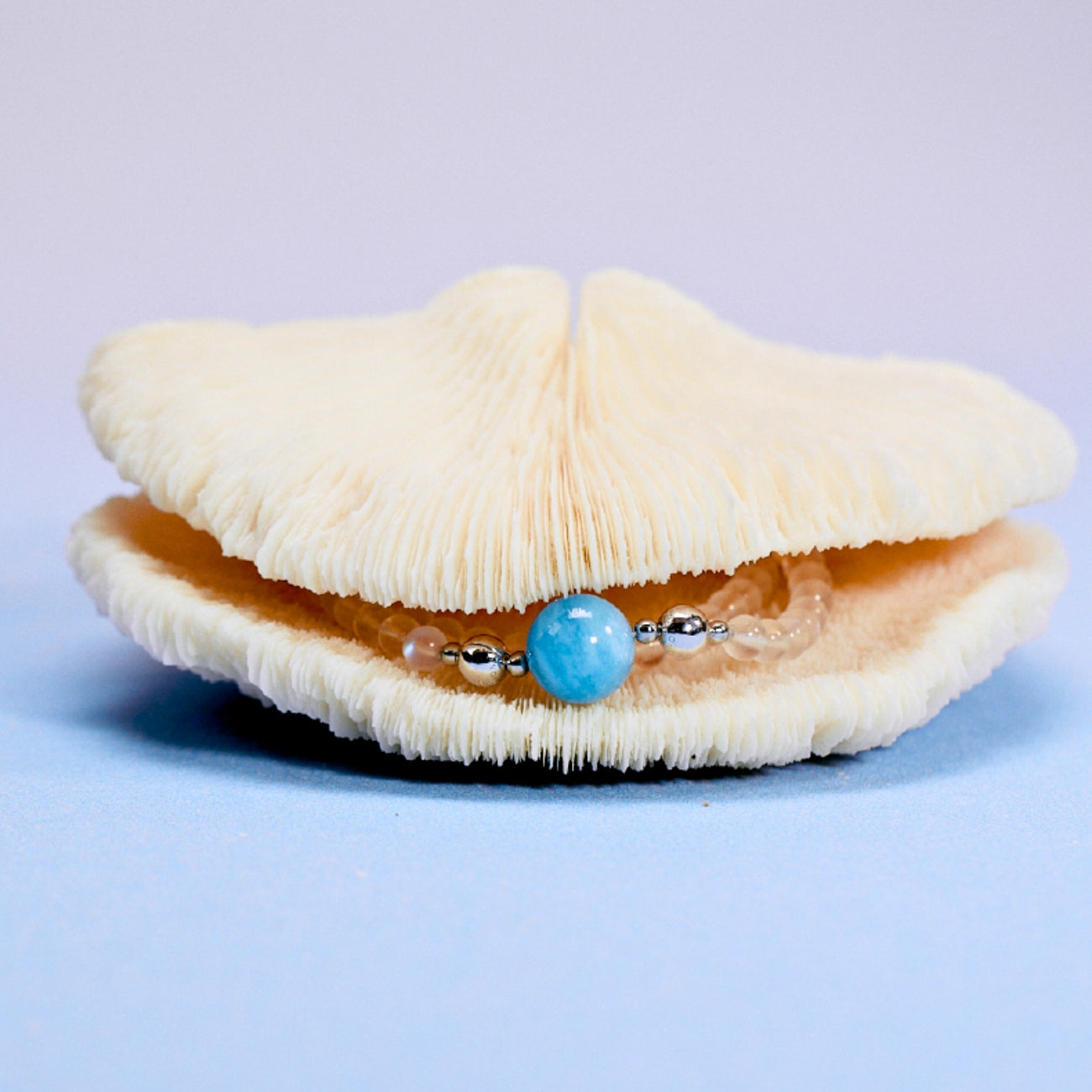
Soullinks are more than adornments. They are living expressions of your energy. Designed to support chakra balance, healing, and inner alignment, Soullinks transform crystal therapy techniques into wearable, personal experiences.
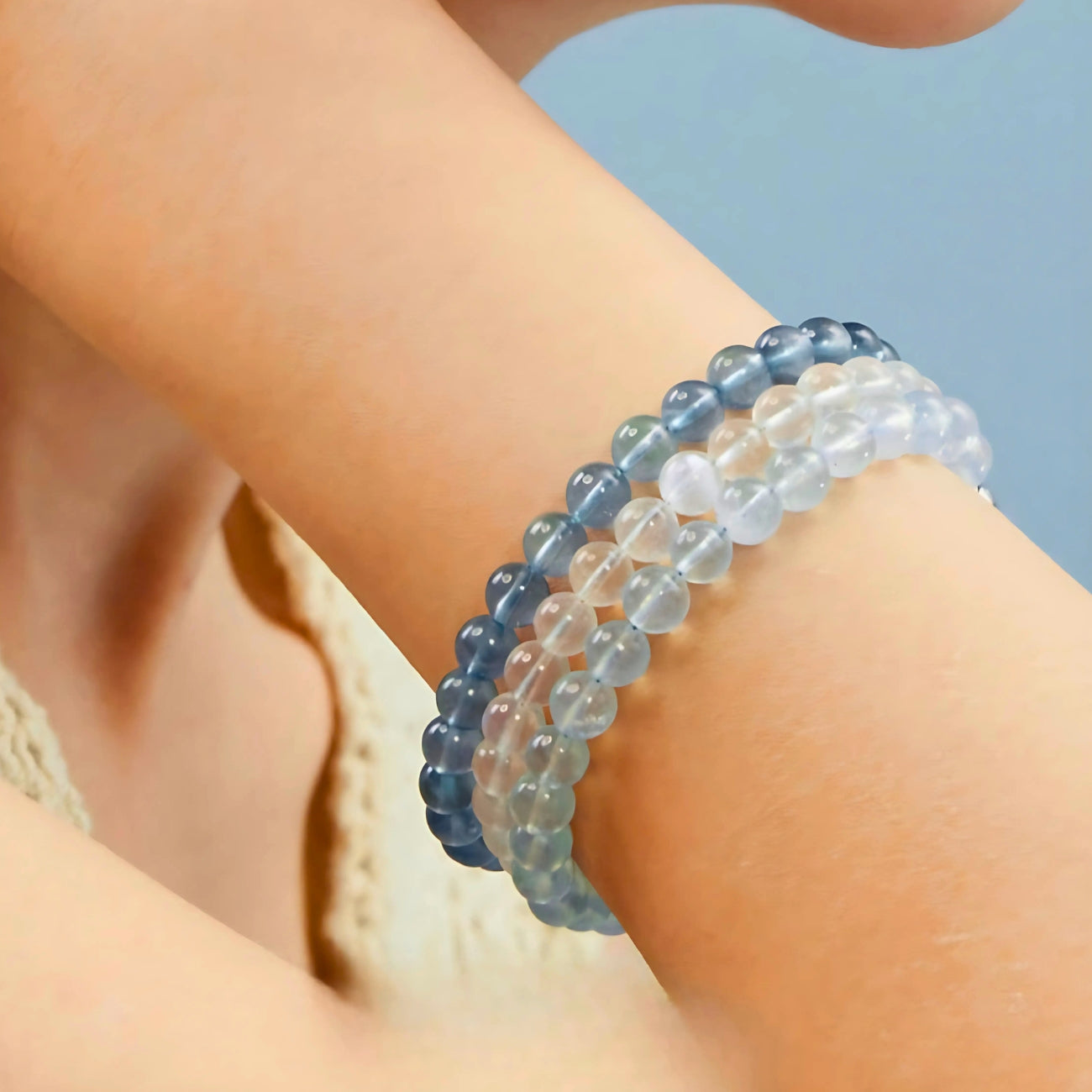
With a unique mix-and-match system, Soullinks allows you to combine charms known as Elements, bracelets called Aura, and necklaces referred to as Halo. This modular design empowers you to create a personal energy map that reflects your journey.
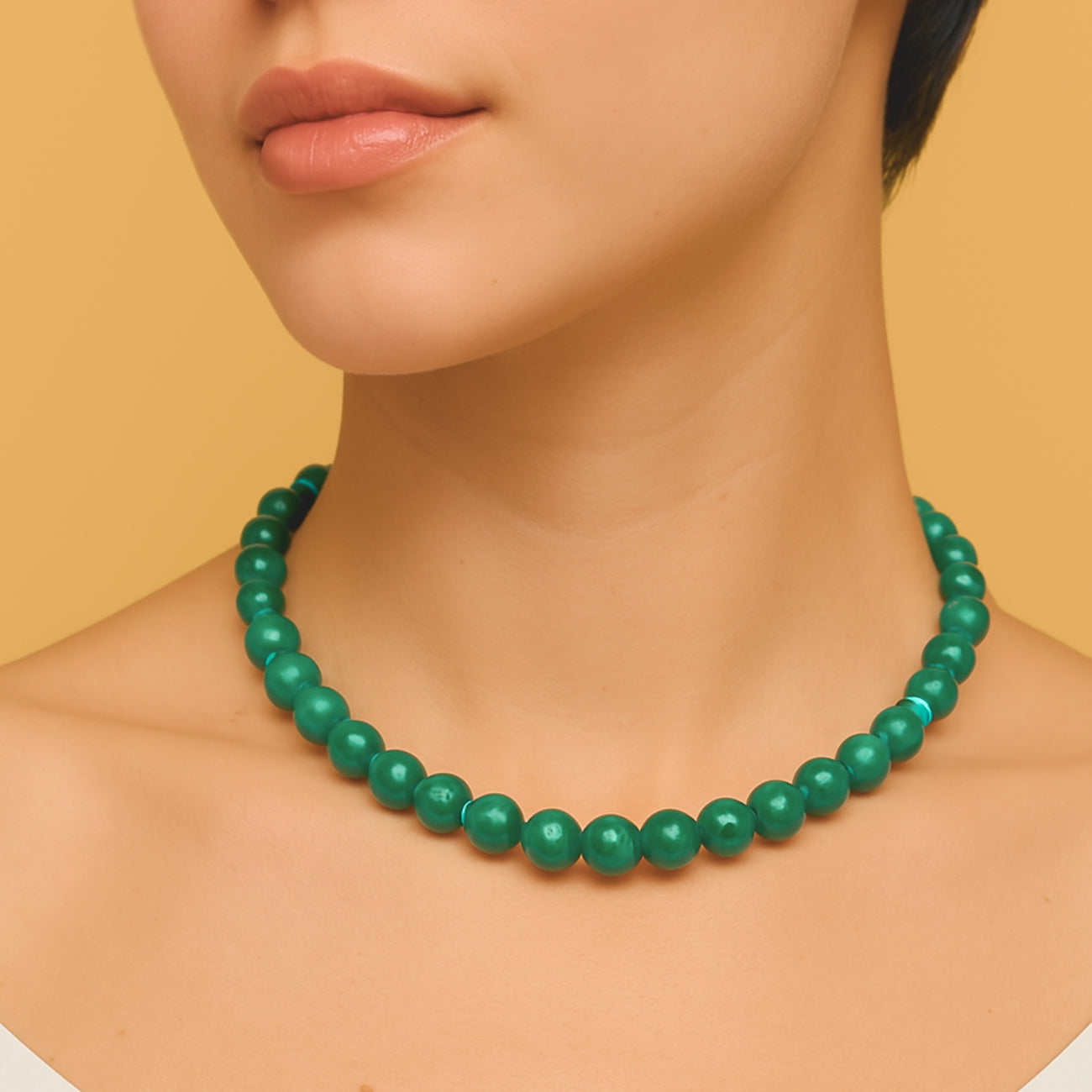
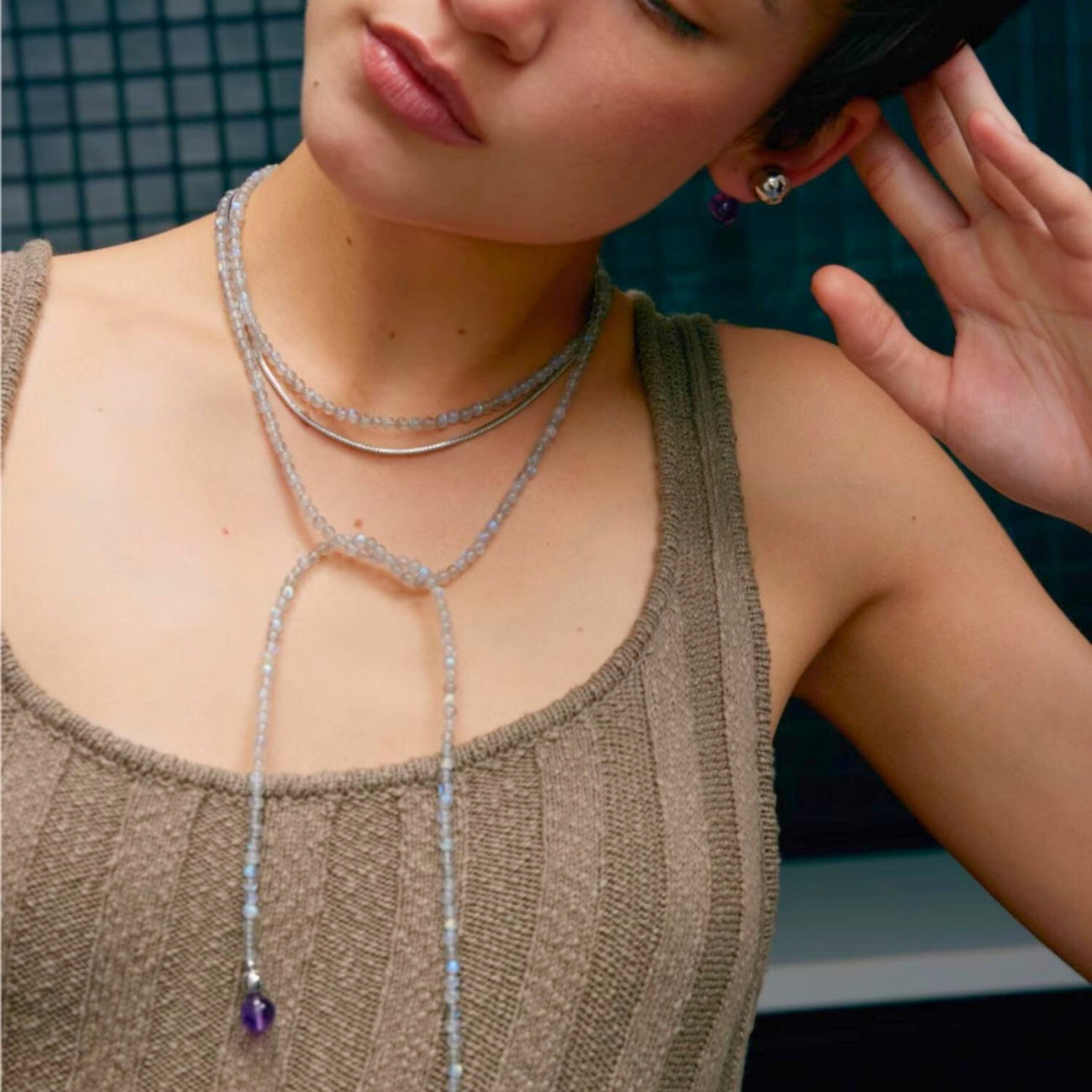
Featured alignment collections include the Element Charm Series for focused intention, the Aura Bracelet Series for continuous energy flow, the Halo Necklace Series for positioning healing stones near the throat and heart, the Infinity Halo Rope Necklace Series for grounded connection, and Ready-to-Align Sets curated for specific chakra needs.
By wearing crystals intentionally, Soullinks makes crystal therapy techniques accessible throughout the day, blending mindfulness, symbolism, and style.
Crystal Therapy Techniques Summary Table
| Technique | Primary Purpose | Common Crystals | Best Use Case |
|---|---|---|---|
| Meditation with Crystals | Focus and clarity | Amethyst, Clear Quartz | Mindfulness practice |
| Body Placement | Relaxation and balance | Rose Quartz, Jasper | Rest and reflection |
| Crystal Grids | Intention amplification | Quartz, Citrine | Long-term goals |
| Wearable Crystals | Continuous alignment | Mixed stones | Daily life integration |
Frequently Asked Questions
Do crystal therapy techniques really work
Crystal therapy techniques are best understood as supportive practices that enhance mindfulness, intention, and emotional awareness rather than as medical treatments.
How often should I use crystal therapy techniques
Many people benefit from daily or weekly practice. Consistency matters more than duration.
Can I combine different crystal therapy techniques
Yes. Combining meditation, wearable crystals, and home placement often creates a more holistic experience.